
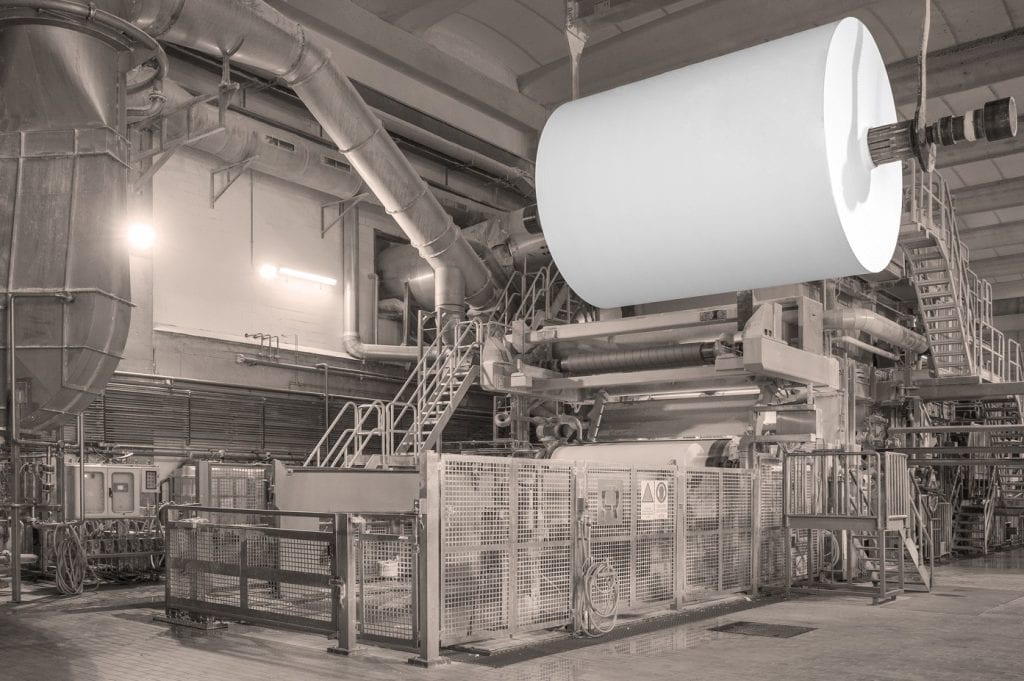
Paper plays a vital role in everyday hygiene, yet few people stop to consider how it’s actually produced. The manufacturing of tissue paper is a complex process requiring technical expertise, quality control, and a strong focus on energy efficiency and sustainability.
The Raw Material: Virgin Cellulose and Recycled Fibres
Production begins with the careful selection of raw materials: virgin cellulose sourced from certified forests or recycled fibres recovered from post-consumer paper and industrial waste. The initial composition directly influences the paper’s properties—cellulose offers greater softness and strength, while recycled material is chosen for its reduced environmental impact.
From Pulping to Sheet Formation
The selected fibres are mixed with water in large vats to create a suspension. This mixture undergoes mechanical pulping and a refining process that adjusts the fibre length and improves bonding. The suspension is then transferred onto a continuously moving filter belt, where the first paper sheet is formed as water is drained and pressure is applied by rollers.
Pressing, Drying, and Embossing
The newly formed sheet is pressed to remove additional moisture, then passed through heated cylinders to complete the drying process. One of the most important stages is embossing, during which the sheet is imprinted with raised patterns. This step is not only decorative—it enhances absorbency and strength, making the paper more effective for daily use.
Cutting and Conversion
Once the jumbo roll (the large parent reel) is produced, the paper is cut and converted into formats required by the market: toilet rolls, folded hand towels, napkins, and industrial rolls. Each type undergoes specific processing, with strict standards to ensure hygiene, dimensional consistency, and the absence of impurities.
Packaging and Logistics
The final stage involves automated packaging into protective—and wherever possible, sustainable—wraps. Simultaneously, the finished products are palletised and organised for efficient distribution, with careful attention to space optimisation and reducing environmental impact throughout the supply chain.